Here is a paradox worth sitting with. By sheer volume of words, this may be the most literate era in human history — we read almost constantly, from the moment we wake, across screens that never run out of text. And yet many thoughtful people report a creeping difficulty with a thing that used to feel effortless: sitting with a long, demanding piece of writing and following it, undistracted, to the end. We read more than ever and, in an important sense, we read less.
This is a long essay in defence of that endangered mode — call it deep reading — and an argument that it is worth protecting precisely because the environment we now inhabit is built, with great ingenuity, to make it hard. The point is not nostalgia for the book. It is that something specific and valuable happens when a mind engages a text at depth, and that capacity is not guaranteed. It can be lost, and it can be rebuilt.
Two ways of reading
It helps to recognise that “reading” names at least two quite different activities, and that we have been quietly trading one for the other.
The first is the reading the modern environment trains constantly: fast, fragmentary, restless. We skim a headline, scan for the relevant line, jump to the next tab, absorb a paragraph between notifications. This shallow mode is genuinely useful — it is how anyone navigates an ocean of information. The danger is not that it exists but that it becomes the only mode we can still reliably summon.
The second is deep reading: sustained, immersive, linear engagement with a single extended text. Following an argument across many pages. Holding the beginning of a chapter in mind as you reach its end. Letting a difficult idea unfold at the writer’s pace rather than your own impatience. This is a distinct cognitive mode, and a substantial body of research — including work in psychology and neuroscience reported in journals such as Nature and summarised by bodies like the American Psychological Association — suggests it draws on and strengthens capacities that skimming does not. Our science coverage has often returned to this question of how habits of mind are shaped by the tools we use.
What deep reading builds
It is worth being concrete about what is at stake, because “deep reading is good for you” is the kind of pious claim that invites a shrug. The specific gifts are more interesting than the slogan.
The first is sustained attention itself. Deep reading is a sustained act of concentration, and like any capacity it strengthens with exercise and weakens with neglect. The ability to hold one’s focus on a single demanding thing underwrites almost every form of serious work and thought. To lose it is to lose far more than the pleasure of books.
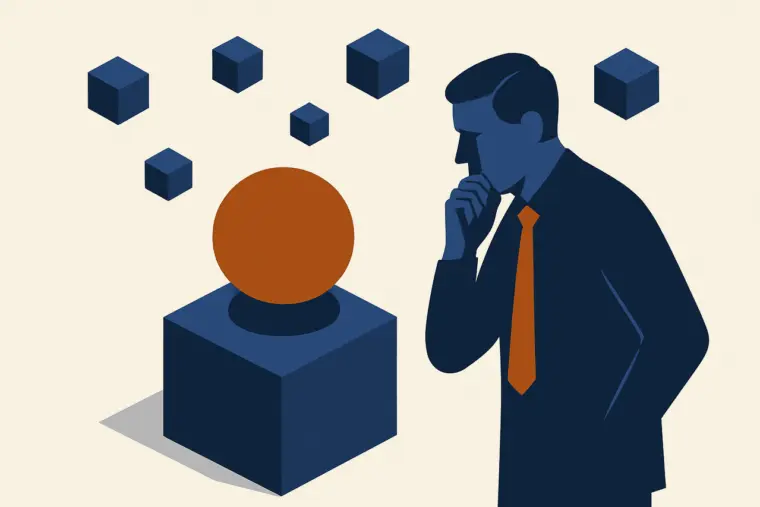
The second is complex understanding. Some ideas cannot be compressed into a fragment without being falsified. A genuinely difficult argument — about justice, or science, or how a society should govern itself — has structure: premises, qualifications, counter-arguments, a movement from one point to the next. You cannot skim it and possess it; you can only follow it. Deep reading is the mode in which complexity becomes graspable rather than collapsing into the flattened version fragments encourage. Much of our politics coverage asks readers to hold exactly this kind of complexity.
The third is the one most easily missed: the experience of another mind. To read a long piece of writing at depth is to spend hours inside someone else’s pattern of thought — their reasoning, their way of seeing. Research on reading, including studies highlighted by the National Endowment for the Arts, has explored associations between immersive reading and the capacity to take another’s perspective. Whatever the mechanism, the experience is familiar to any serious reader: deep reading is one of the few ways we inhabit a point of view genuinely not our own, at length, on its own terms.
An environment built to interrupt
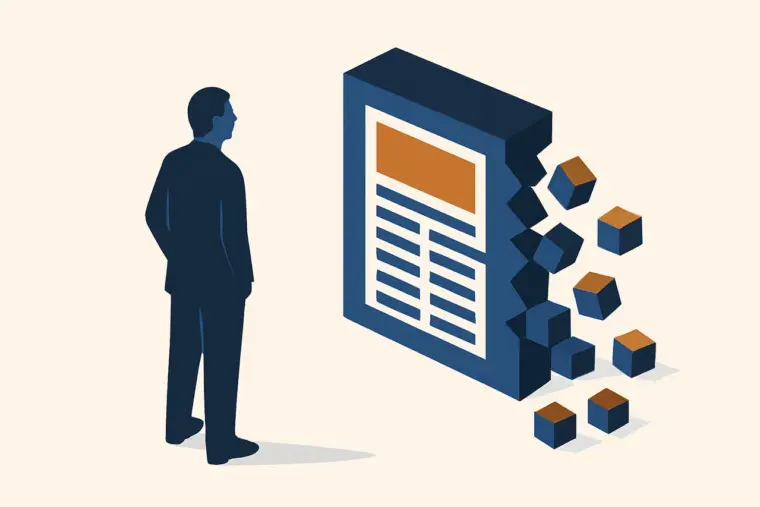
If deep reading is so valuable, why is it slipping? The honest answer is that we have constructed an information environment that is, in its very design, hostile to it — not by accident but by incentive.
As the Pew Research Center and others have documented, most reading now happens on devices engineered to capture and fragment attention. The notification arrives mid-paragraph. The link beckons elsewhere. The infinite feed offers a frictionless escape from any text that becomes difficult — and difficulty is exactly the moment deep reading requires you to stay. These systems are not neutral surfaces; they are optimised to keep us switching, because switching serves their underlying business of harvesting engaged attention. To read deeply on a device built to interrupt you is to work against the grain of the tool in your hands — a logic we have explored in our technology coverage of the attention economy.
The result is a kind of slow erosion. The more we practise the shallow scan and the less we practise sustained immersion, the harder the immersion becomes — until people who once read long books with ease cannot get through a long article, and mistake this for an unchangeable fact about themselves rather than the predictable result of changed habits.
What comes next
The hopeful part of this argument rests on the same fact that makes the loss possible: deep reading is a skill, and skills can be rebuilt. An atrophied capacity for sustained attention responds, like a muscle, to deliberate use.
The remedies are unglamorous and within reach. Read something long on purpose, in a setting stripped of interruption. Put the device that fragments you out of arm’s reach. Tolerate the early discomfort — the itch to switch — as a sign of the capacity you are rebuilding, not a reason to stop. Choose, sometimes, the difficult full text over the easy summary, knowing the difficulty is where the gains live. None of this requires renouncing the modern world; it requires reserving a protected space within it.
The stakes are larger than any individual’s reading habits. A society that loses its capacity for sustained, complex attention loses its capacity to think through hard problems together — and the hard problems are not going to get simpler. Deep reading is one of the places that capacity is built and kept. It is worth defending, deliberately, against an environment that profits from its decline. You have read this far, which is itself a small act of the kind this essay describes — and you can find more of how we think about it on our about page.
Frequently Asked Questions
What is deep reading?
Deep reading is sustained, immersive, linear engagement with a single extended text, such as following an argument across many pages and holding the beginning of a chapter in mind as you reach its end. It is a distinct cognitive mode from the fast, fragmentary skimming the modern environment trains constantly.
How does deep reading differ from skimming?
Skimming is fast, fragmentary and restless, useful for navigating an ocean of information by scanning headlines and jumping between tabs. Deep reading is slow and immersive, letting an idea unfold at the writer's pace; the danger is not that skimming exists but that it becomes the only mode a person can reliably summon.
What are the benefits of deep reading?
Deep reading builds focus, complex comprehension and empathy, and it strengthens sustained attention itself the way exercise strengthens a capacity. These gains draw on abilities that skimming does not engage.
Can the ability to read deeply be rebuilt?
Yes; the piece argues that deep reading is a capacity that can be lost through neglect but also deliberately cultivated and rebuilt, even in an environment designed to fragment attention. Like any skill, it strengthens with exercise.