There was a time, not very long ago, when waiting was simply boring. The queue, the bus, the lull between tasks — these were empty minutes with nothing to fill them, and so the mind drifted. It is almost impossible to recreate that experience now. The empty minute has been abolished; the moment a gap opens, a screen fills it. We have, in a remarkably short span, very nearly eliminated boredom from daily life.
This sounds like progress, and in small doses it is. But a growing strand of psychological and cultural thinking suggests the conquest of boredom came at a cost we are only beginning to reckon with. The idle, unstimulated mind, it turns out, was doing important work — and in banishing boredom, we may have banished something we need.
What boredom was for
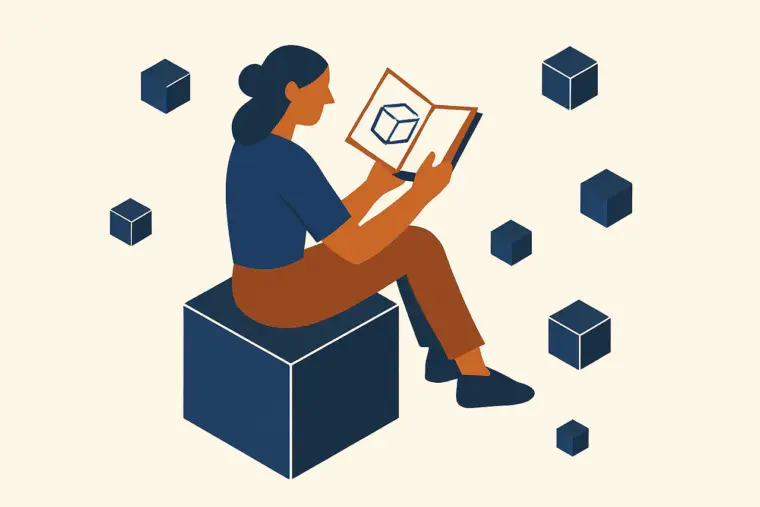
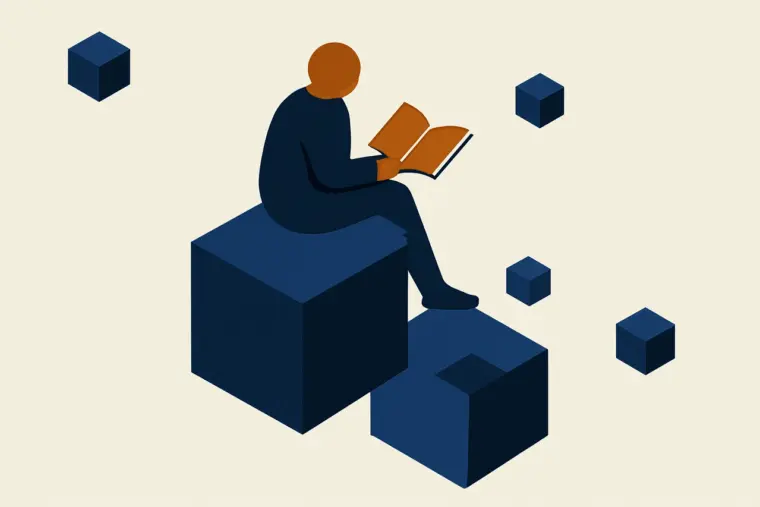
Start with what happens when the mind has nothing to do. Far from shutting down, it wanders. Psychologists call this the brain’s “default mode” — the network of activity that comes online when we are not focused on a specific external task. The American Psychological Association and researchers across the field have linked this kind of mind-wandering to a cluster of valuable functions: creative problem-solving, planning for the future, consolidating memory, and making emotional sense of what we have experienced.
This is why insight so often arrives in the shower, on a walk, or just before sleep — moments when the mind is unoccupied enough to make unexpected connections. Boredom is the gateway to that state. It is the slightly uncomfortable feeling of an unfilled mind, and on the far side of it lies the drifting, associative thinking from which ideas and self-understanding tend to emerge. Our lifestyle and culture coverage keeps returning to these undervalued mental states that modern life crowds out.
Studies published in journals such as Nature have explored how rest and offline periods support learning and memory consolidation, reinforcing a broader point: downtime is not wasted time. The brain uses idleness. When every idle moment is instead filled with input — a feed, a video, a podcast at double speed — we deny it the unstructured space in which much of its quiet processing happens.
Stimulation is not rest
Here is the central confusion of the moment: we have mistaken stimulation for rest. Scrolling a feed feels like relaxing because it is effortless and pleasurable, but it is not restful in any meaningful sense. The mind is still receiving, reacting, processing a stream of inputs. It is occupied, just passively. True rest — the kind that restores attention and leaves us calmer and clearer — usually involves doing less, not consuming more.
The distinction matters because the two feel similar from the inside and could hardly be more different in effect. A person can spend an entire evening “relaxing” with a screen and end it more depleted than they began: eyes tired, attention frayed, vaguely unsatisfied. The same hours spent on a walk, staring out a window, or simply sitting with one’s thoughts can leave a person genuinely replenished. One is the appearance of rest; the other is the thing itself.
This connects to a broader concern about attention and mental health. The World Health Organization has increasingly emphasised mental well-being as central to health overall, and the conditions for it — adequate rest, time without constant demand, space for the mind to settle — are precisely what an always-on, always-stimulated environment erodes. Our health coverage examines this shift from physical to mental dimensions of well-being, and the design of digital products that work against it features in our technology coverage.
Reclaiming the empty minute
If boredom and deep rest no longer happen by default, the implication is that they must now be chosen. This is the genuinely new situation. For all of human history, idle, unstimulated time was simply unavoidable; there was nothing to do but be bored. Today it is the opposite — idleness has to be deliberately protected, because the path of least resistance is always more input.
The practices people are reaching for are modest and unglamorous: leaving the phone in another room, taking a walk without headphones, allowing a queue to simply be a queue. The aim is not to romanticise boredom for its own sake but to reopen the door to the mental states that lie beyond it — the wandering, the resting, the quiet processing. Some advocates frame this as attention hygiene; others simply call it doing nothing, on purpose.
None of this requires rejecting technology wholesale, and the point is not that stimulation is bad. It is that a life with no gaps in it — no unfilled moments at all — is a life with no room for the mind to do some of its most valuable work. Reintroducing a few of those gaps, deliberately, is a small and accessible correction.
What’s at stake
The conquest of boredom is one of the least-examined changes of the digital age, precisely because it feels like an unalloyed improvement. Who would mourn boredom? But the case is that boredom was the antechamber to creativity, reflection and rest, and that filling it permanently has quietly impoverished our inner lives — leaving us more stimulated and less replenished, more entertained and less thoughtful.
The stake is the quality of attention and the capacity for genuine rest, both of which a culture of constant input steadily wears down. Reclaiming the empty minute is not a productivity hack or a wellness trend; it is a way of preserving something essential about how a human mind works best. In an environment engineered to ensure we are never bored again, choosing, sometimes, to be bored may be one of the more quietly radical things a person can do. For more on how we approach culture, see about Cubed News.
Frequently Asked Questions
What is the brain's 'default mode'?
The default mode is the network of brain activity that comes online when we are not focused on a specific external task and the mind wanders. Researchers have linked this mind-wandering to creative problem-solving, planning, memory consolidation and making emotional sense of experience.
Why is scrolling a feed not the same as resting?
Scrolling feels like relaxing because it is effortless and pleasurable, but the mind is still receiving, reacting and processing a stream of inputs. It is occupied passively rather than at rest, so it does not restore attention the way true downtime does.
What is the value of boredom?
Boredom is the gateway to the drifting, associative state of an unfilled mind, on the far side of which lies the thinking from which ideas and self-understanding tend to emerge. It is why insight so often arrives in the shower, on a walk, or just before sleep.
What did we lose by filling every idle moment with screens?
By filling every spare moment with input, we have crowded out the unstructured mental space in which much of the brain's quiet processing happens. In banishing boredom we may have banished the deep rest and productive mind-wandering we actually need.