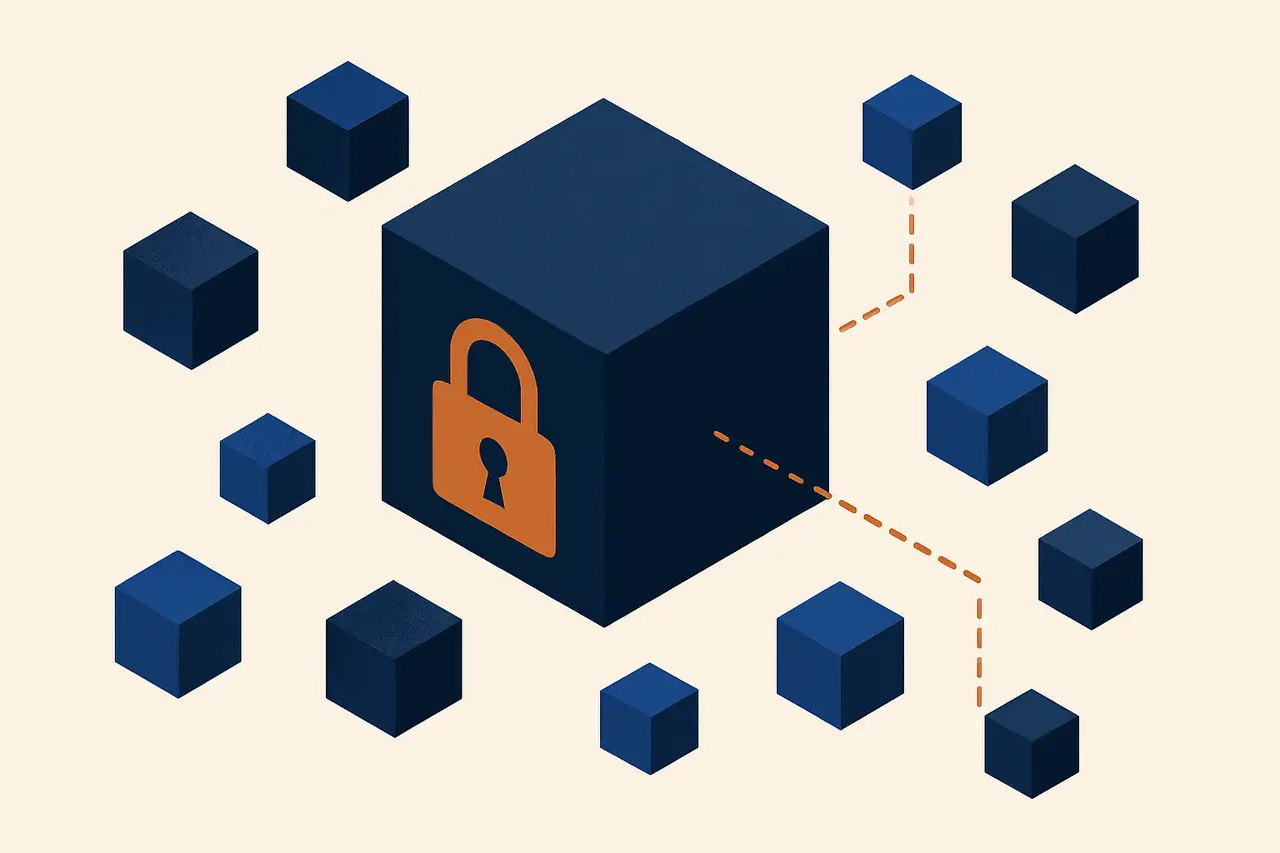
The internet was built on a quietly radical premise: that data could flow across borders almost as if borders did not exist. A message, a transaction or a file might pass through servers in several countries in the time it takes to load a page, and few users gave a thought to where their information physically resided. That premise is now under sustained challenge. A growing number of governments insist that certain data about their citizens stay within national lines — and the rise of these data-localization laws is reshaping the architecture of the digital world, mostly out of public view.
The idea sounds technical, even dull. Its implications are anything but. Where data is allowed to live touches privacy, security, trade, sovereignty and the basic structure of the global network, which is why it has become one of the most consequential frontiers in digital policy.
What the Laws Actually Require
“Data localization” is an umbrella term for a spectrum of rules, and the differences between them matter. At the gentlest end, a law might require that a copy of certain records be kept domestically while still permitting the data to be used abroad. Stricter versions require that specific categories of data be processed within the country. The strictest demand that the data never leave national territory at all — it must be stored and handled entirely inside the border, with transfer abroad prohibited or tightly conditioned.
The data covered varies just as widely. Some rules target particular sensitive categories — financial records, health information, government data, or personal data generally. Others focus on specific industries deemed critical. The common thread is a rejection of the default assumption that information may move wherever is most efficient; instead, location becomes a legal constraint in its own right.
For organisations, this transforms a once-invisible decision into a compliance obligation. A company operating in many countries can no longer simply pool its data in a few global data centres for efficiency. It may have to build or rent local infrastructure in each jurisdiction that demands it, keep data segregated by nationality, and navigate a patchwork of conflicting requirements — a burden that falls hardest on the cross-border services that define the modern digital economy.
Why Governments Want It
The motives behind localization are genuinely mixed, and conflating them is a common error. Several distinct rationales drive the trend, and they do not all point the same way.
The most sympathetic is privacy and data protection. Some governments worry that once their citizens’ data sits on foreign servers, it falls under foreign laws and beyond domestic safeguards — potentially accessible to other governments or held to weaker standards. Keeping data home, in this view, keeps it under the protection of local rights.
A second is law-enforcement and regulatory access. When data about a crime or a regulated activity sits abroad, obtaining it can be slow and uncertain, dependent on cross-border cooperation. Requiring local storage gives authorities more direct reach over information they may need.
A third is national security and sovereignty — the conviction that data is a strategic resource that should not be entrusted to foreign infrastructure or rival powers. And a fourth, less openly stated, is economic and political control: localization can favour domestic firms, build local data-centre industries, or, in more closed societies, tighten state oversight of information and dissent. The OECD has documented how the same policy label can serve aims as different as protecting citizens and controlling them, which is why analysts caution against treating all localization as equivalent.
The Costs and the Doubts
Whatever the motive, localization carries real costs, and honesty requires weighing them against the stated benefits. The most direct is economic. Duplicating infrastructure across jurisdictions is expensive, and the burden falls hardest on smaller firms that cannot easily afford local data centres in every market — which can entrench the very large incumbents that localization is sometimes meant to check.
There is also a structural cost to the internet itself. A network whose value came from being global fragments, a little more with each new requirement, into a patchwork of national segments — a phenomenon sometimes called the “splinternet”. Cross-border digital trade, on which a great deal of the modern economy depends, runs into friction it did not face before, a concern bodies such as the World Trade Organization have raised as these measures proliferate.
Most pointedly, the core security rationale is contested. Keeping data within a border does not automatically make it safer; a poorly secured local server is more vulnerable than a well-defended foreign one, and security depends on how data is protected, not merely where it sits. Localization can even reduce resilience by concentrating data in one place rather than distributing it, and in some hands it serves surveillance rather than privacy. The instinct that “local equals safe” is, on examination, far shakier than it sounds.
What’s at Stake
The spread of data-localization laws poses a genuine dilemma with no clean answer. On one side stand legitimate interests in privacy, security and sovereignty that the borderless-data model did not always serve well. On the other stands the openness and efficiency that made the internet transformative in the first place, now fragmenting jurisdiction by jurisdiction.
The trajectory matters because it will help decide whether the internet of the coming decades remains a broadly global system or hardens into a collection of national networks with data dammed behind borders. Much depends on whether countries can find frameworks — through trusted cross-border arrangements and interoperable rules rather than blanket walls — that protect citizens without severing the connections that give the network its worth. Tracking how that balance is struck, an effort followed closely by organisations such as UNCTAD, is one of the quieter but more important stories in technology policy, precisely because it is being settled now, law by law, with little public attention.
Sources
Related from Technology
How Modern Ransomware Operations Are Actually Structured
Ransomware is no longer lone hackers and crude code. It has become an industry — with suppliers, affiliates, customer service and a…
How End-to-End Encryption Works, and Why It Matters
End-to-end encryption is the reason a private message stays private even from the company that carries it. The idea is elegant, the…

What the EU AI Act Actually Requires of Companies
The world's first comprehensive AI law sorts systems by risk rather than by technology. Understanding its tiered structure explains who it binds,…
Get Cubed News in your inbox
Daily premium coverage, free. Independent · Source-cited.