



UN Human Rights Chief Warns Iran War Is Escalating Fast

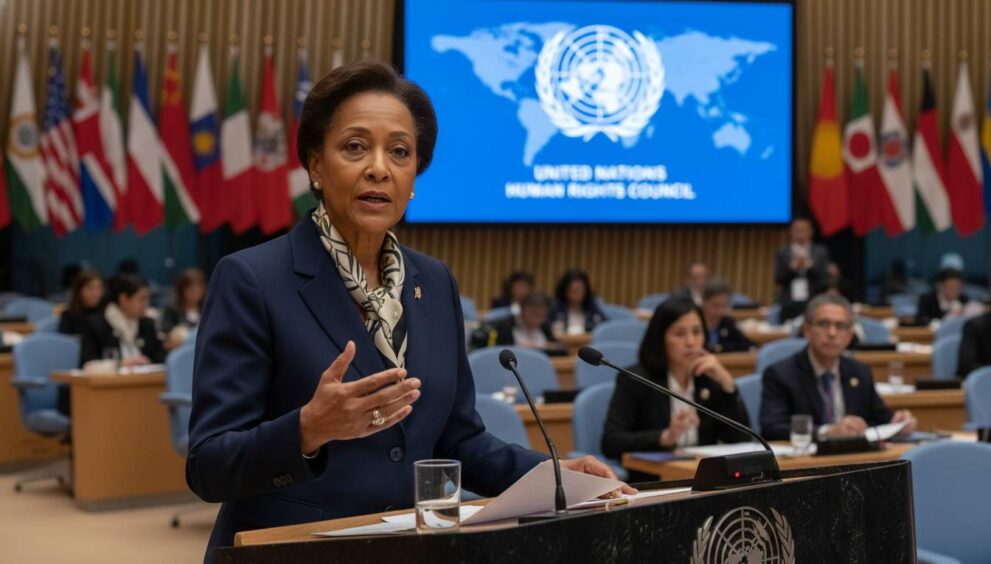
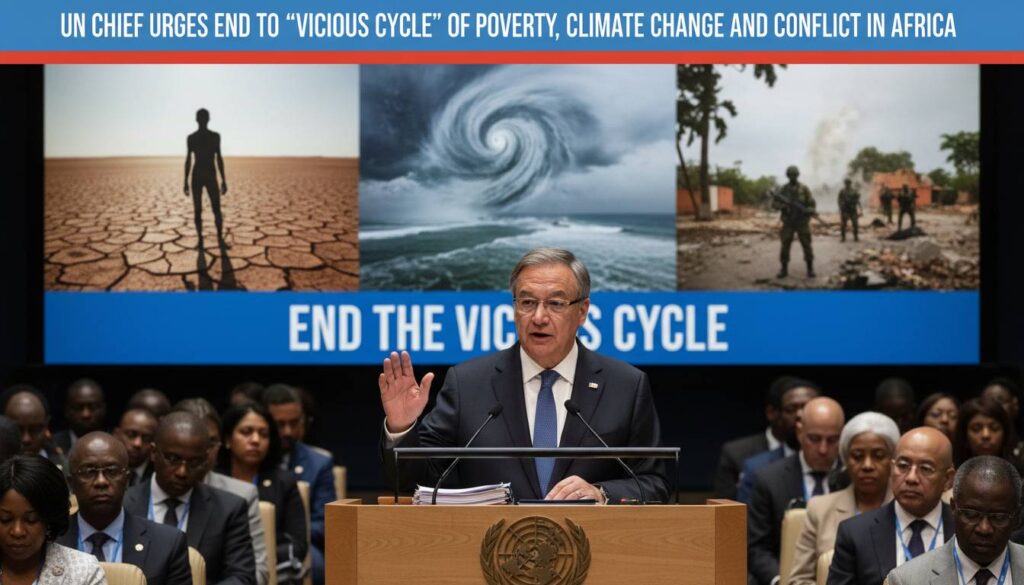
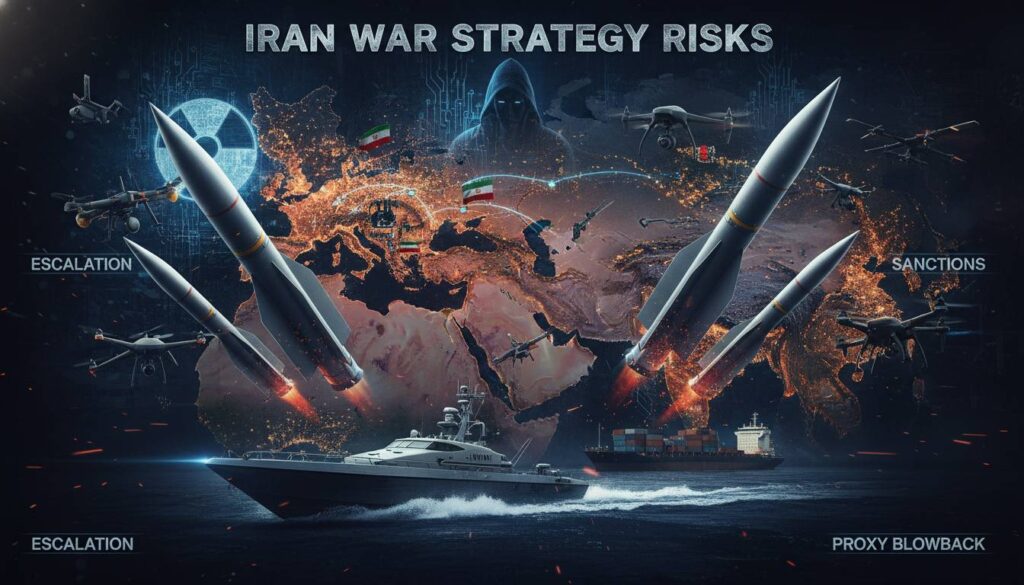
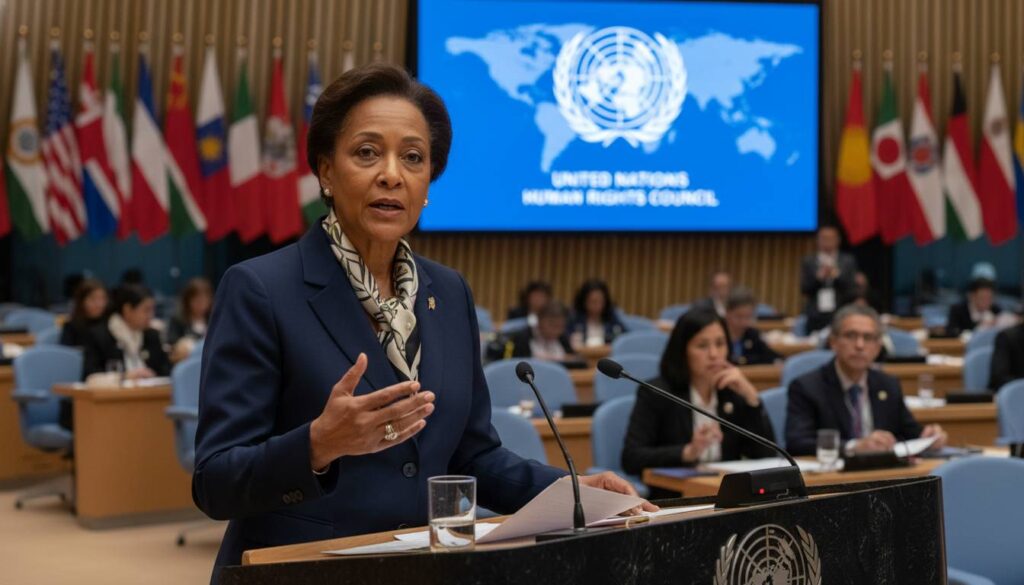
The United Nations’ top human rights official warned on March 6, 2026, that the war centered on Iran was spreading “like wildfire,” adding a fresh human rights alarm to a conflict that UN officials say is already widening beyond the original battlefield. The warning from UN High Commissioner for Human Rights Volker Türk came as the UN secretary-general and Security Council members separately urged an immediate halt to attacks and a return to diplomacy, underscoring how quickly the crisis has moved from a bilateral confrontation to a broader regional emergency.
⚠️
Volker Türk said the conflict had been spreading “like wildfire” on March 6, 2026.
That warning appeared in UN coverage of the Middle East crisis as military strikes and counter-strikes continued across the region. Source: UN system coverage via DPPA and UN Geneva, March 6, 2026.
March 6 Warning Put Human Rights at the Center of the Crisis
Türk’s intervention matters because it shifts the focus from military exchanges alone to the legal and civilian consequences of a widening war. UN system reporting on March 6 said the conflict was spreading “like wildfire,” while UN Geneva’s live coverage the same day described continuing strikes and counter-strikes across the Middle East as the United States and Israel waged war on Iran. That framing placed the human rights office alongside the UN secretary-general in warning that the conflict was no longer contained.
The timing is important. The secretary-general’s spokesperson said on March 2, 2026, that the expansion of attacks to countries “not involved in the initial attack” was “particularly worrying,” specifically naming Gulf countries, Jordan, Syria and Lebanon. He also said there was “zero room for miscalculation,” a phrase that captured the UN’s concern that each new strike increases the odds of a broader regional war.
Key UN Warnings on the Iran War
| Date | UN official or body | Main warning |
|---|---|---|
| February 28, 2026 | UN Security Council / Secretary-General António Guterres | Prevent escalation or face a wider conflict with grave consequences for civilians and regional stability |
| March 2, 2026 | UN Spokesperson Stéphane Dujarric | Attacks spreading to additional countries are “particularly worrying”; “zero room for miscalculation” |
| March 6, 2026 | UN High Commissioner for Human Rights Volker Türk | Conflict is spreading “like wildfire” |
Source: AP, Reuters Connect/UNTV, UN system coverage | February 28-March 6, 2026
February 28 at the Security Council Marked a Clear Escalation Point
At an emergency UN Security Council meeting on February 28, 2026, Secretary-General António Guterres warned that “everything must be done” to stop escalation. According to AP’s report from the meeting, he said the alternative was “a potential wider conflict with grave consequences for civilians and regional stability.” AP also reported that Guterres said U.S. and Israeli airstrikes violated international law, including the UN Charter, and that he condemned Iranian retaliatory attacks for violating the sovereignty and territorial integrity of Bahrain, Iraq, Jordan, Kuwait, Qatar, Saudi Arabia and the United Arab Emirates.
That list of affected states is one reason the UN’s language has hardened. It suggests the conflict is no longer defined only by strikes involving Iran, Israel and the United States. By the end of February, the UN was already documenting spillover risks across multiple neighboring countries. By March 2, the secretary-general’s office was explicitly warning about attacks reaching countries outside the initial confrontation. By March 6, the human rights chief was describing the spread in even starker terms.
How the UN’s Language Intensified
February 28, 2026: At the Security Council, António Guterres warns of a “potential wider conflict” with consequences for civilians and regional stability.
March 2, 2026: UN spokesperson Stéphane Dujarric says attacks expanding to Gulf countries, Jordan, Syria and Lebanon are “particularly worrying” and says there is “zero room for miscalculation.”
March 6, 2026: Volker Türk warns the conflict is spreading “like wildfire,” elevating the human rights dimension of the crisis.
Why the “Spreading” Warning Carries Legal and Humanitarian Weight
Türk’s office is not a military actor, but its warnings carry significance because they frame the conflict through international human rights law and humanitarian law. On March 6, UN Geneva’s coverage said unlawful attacks by all sides were causing “tremendous suffering for civilians across the whole Middle East region.” That language broadens the issue from battlefield tactics to civilian protection, accountability and the obligations of all parties under international law.
The secretary-general’s office reinforced that point on March 2, saying civilians and civilian infrastructure “must be protected at all times.” The same briefing cited the International Atomic Energy Agency director-general as saying no radiation levels above normal background had been detected in countries bordering Iran, a detail that offered limited reassurance on one front while leaving the wider military and humanitarian risks unresolved.
There is also a diplomatic signal in the UN’s messaging. On March 2, Dujarric said the UN was not aware of direct talks between the United States and Iran, though he pointed to Oman’s public role and said the UN wanted a return to diplomacy. That means the warning about a spreading war was paired with a clear assessment that de-escalation channels remained fragile.
ℹ️
The UN said on March 2, 2026, that it was not aware of direct U.S.-Iran talks.
At the same briefing, the secretary-general’s spokesperson said Oman had been publicly active and that the UN wanted a return to negotiations. Source: Reuters Connect/UNTV, March 2, 2026.
What the UN Is Saying Next as Regional Risks Rise
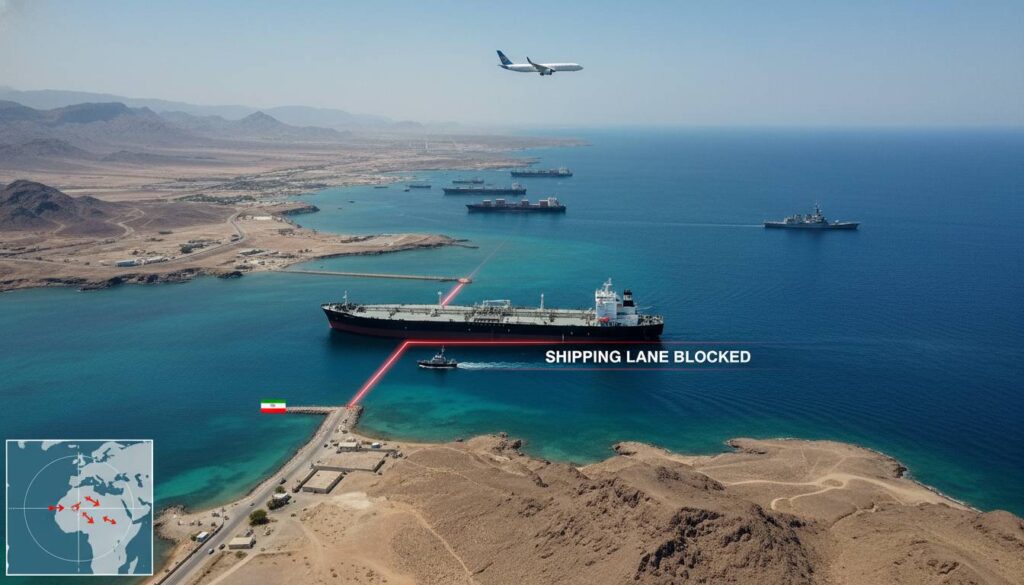
The UN’s immediate message is consistent across its political and human rights arms: stop the fighting, protect civilians and restart negotiations. The secretary-general’s office has warned about the economic fallout as well, saying military activity across the region could hit the world economy and hurt the most vulnerable the hardest. UN Geneva’s March 6 live coverage similarly said the world economy was at grave risk if the conflict continued to widen.
For readers tracking the story in the United States, the key development is not only the original military action but the UN’s increasingly explicit description of regional spillover. The progression from “potential wider conflict” on February 28 to “particularly worrying” expansion on March 2 and “spreading like wildfire” on March 6 shows a rapid escalation in official UN language over less than one week. That sequence helps explain why the human rights chief’s warning is drawing attention well beyond diplomatic circles.
What remains uncertain is whether diplomacy can catch up to the pace of events. The UN has made clear that the conflict’s geographic spread, civilian toll and legal implications are now inseparable. Türk’s warning did not introduce that concern from nowhere; it crystallized a pattern the UN had already been documenting in real time.
Frequently Asked Questions
Who is the UN human rights chief in this story?
The official is Volker Türk, the UN High Commissioner for Human Rights. UN system coverage on March 6, 2026, attributed the “spreading like wildfire” warning to him as the Middle East conflict widened.
What exactly did the UN human rights chief warn about?
On March 6, 2026, Volker Türk warned that the conflict centered on Iran was spreading “like wildfire.” The warning appeared in UN coverage that also described ongoing strikes and counter-strikes across the Middle East.
When did the UN first warn that the conflict could widen?
The clearest early warning in the current sequence came on February 28, 2026, when Secretary-General António Guterres told the Security Council that the alternative to de-escalation was “a potential wider conflict” with grave consequences for civilians and regional stability.
Which countries did the UN say were being drawn into the conflict?
At a March 2, 2026, briefing, the UN secretary-general’s spokesperson said the expansion of attacks to countries not involved in the initial attack was especially worrying, naming Gulf countries, Jordan, Syria and Lebanon. AP separately reported that Guterres condemned retaliatory attacks affecting Bahrain, Iraq, Jordan, Kuwait, Qatar, Saudi Arabia and the UAE.
Has the UN said whether diplomacy is underway?
On March 2, 2026, UN spokesperson Stéphane Dujarric said the organization was not aware of direct talks between the United States and Iran. He added that Oman had made public comments and that the UN wanted a return to diplomacy and negotiations.
Why is this warning important for human rights coverage?
It matters because the UN is framing the war not only as a military confrontation but as a civilian protection and legal crisis. UN Geneva’s March 6 coverage said unlawful attacks by all sides were causing tremendous suffering for civilians across the region, linking the spread of the war directly to human rights concerns.
Disclaimer: This article is for informational purposes only. Information may have changed since publication. Always verify information independently and consult qualified professionals for specific advice.