


Philippine President Declares Energy Emergency as Iran War Hits


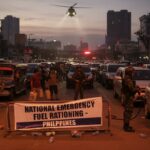
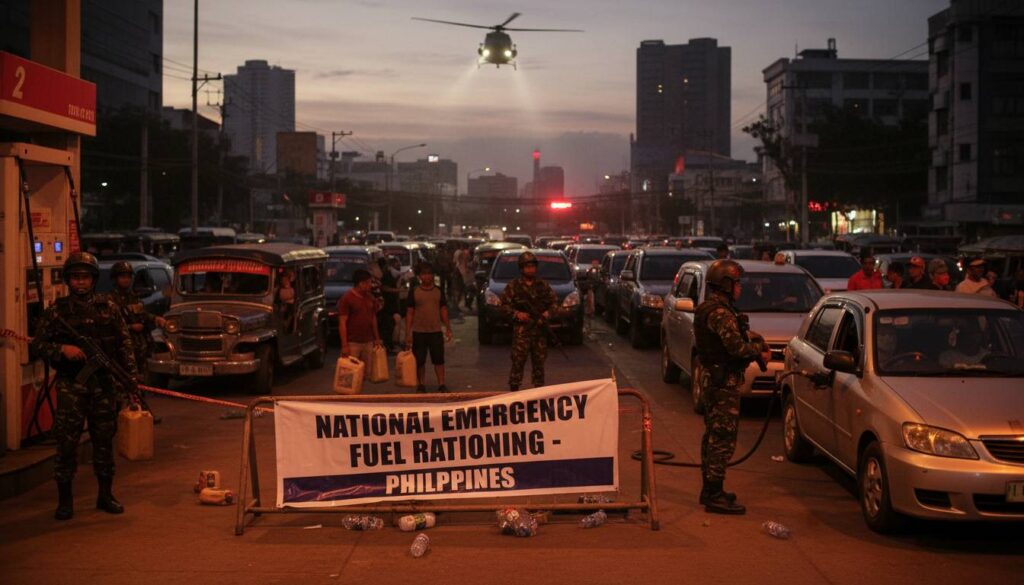
The Philippines has moved into emergency energy-saving mode after President Ferdinand Marcos Jr. ordered government-wide conservation steps as the Iran war pushed oil markets sharply higher. The policy response, rolled out in early March and reinforced through agency directives by mid-March 2026, comes as Brent crude traded above $110 on March 22 and after the International Energy Agency announced a record 400 million-barrel emergency release on March 11. Philippine government statements say the trigger is the war’s impact on fuel costs, inflation risks, and public-sector energy use.
The emergency posture is not a formal nationwide blackout order. Instead, it is a state-led austerity and fuel-conservation campaign centered on Memorandum Circular No. 114, signed on March 6, 2026, directing national agencies, state firms, and other public institutions to cut energy use and adopt stricter operating protocols. Philippine government outlets and agency notices show the order has already translated into compressed workweeks, virtual meetings, reduced travel, and tighter monitoring of electricity and fuel consumption.
🔴
The immediate pressure point is imported fuel.
Finance and energy officials said in early March that the Philippines had an oil buffer equal to roughly 50 to 60 days of national demand, but warned that global price volatility tied to the Middle East conflict was already feeding through to local pump prices and government operating costs. Source: Department of Finance statement, March 3, 2026; presidential remarks reported March 3, 2026.
Philippines Energy Emergency: Key Verified Data
| Metric | Value | Source | Timestamp |
|---|---|---|---|
| Presidential conservation circular | Memorandum Circular No. 114 | Philippine News Agency / PIA | March 6-7, 2026 |
| Government energy reduction target | 10% to 20% | DOE via PIA | March 12, 2026 |
| Philippine oil buffer | 50 to 60 days | DOF / Marcos remarks | March 3, 2026 |
| Brent crude level | Just over $111 per barrel | AP | March 22, 2026 |
| IEA emergency release | 400 million barrels | IEA / AP | March 11, 2026 |
Source: Named sources cited above | Compiled March 25, 2026
March 6 Order Triggered a 10%-20% Government Energy Cut
Malacañang’s March 6 circular says volatility in global energy markets caused by the Gulf crisis was already hurting the Philippine economy, creating what it described as an urgent need for stricter conservation across government operations. That language matters because it frames the response as an economic defense measure, not only an administrative memo. The Department of Energy later tied implementation to a concrete target: a 10% to 20% reduction in fuel and electricity use by year-end.
That target gives the story measurable weight. In practical terms, agencies were told to accelerate the Government Energy Management Program, limit nonessential travel, favor virtual meetings, and adjust office operations. Several local governments and public offices then moved to four-day on-site schedules beginning March 9, with Friday shifted to remote work or non-working status depending on local implementation.
The policy also has historical context. Philippine officials explicitly compared the current oil shock with the disruption seen at the start of the Russia-Ukraine war in 2022, suggesting the government sees this as the most serious imported-energy stress test in four years. That comparison is significant because the Philippines is a net oil importer and therefore more exposed to external supply shocks than energy-exporting economies.
Timeline of the Philippine Response
March 2, 2026: The Department of Energy holds an emergency meeting with oil firms to discuss contingency plans and supply security as Middle East tensions escalate.
March 3, 2026: Finance officials say the Philippines has an oil buffer of about 50 to 60 days of demand and is monitoring the economic impact.
March 6, 2026: Memorandum Circular No. 114 orders strict energy conservation protocols across government.
March 7, 2026: Marcos orders a temporary four-day workweek in some executive offices starting March 9.
March 12, 2026: DOE says enforcement now targets a 10% to 20% reduction in energy use.
Why Brent Above $110 Matters for Manila
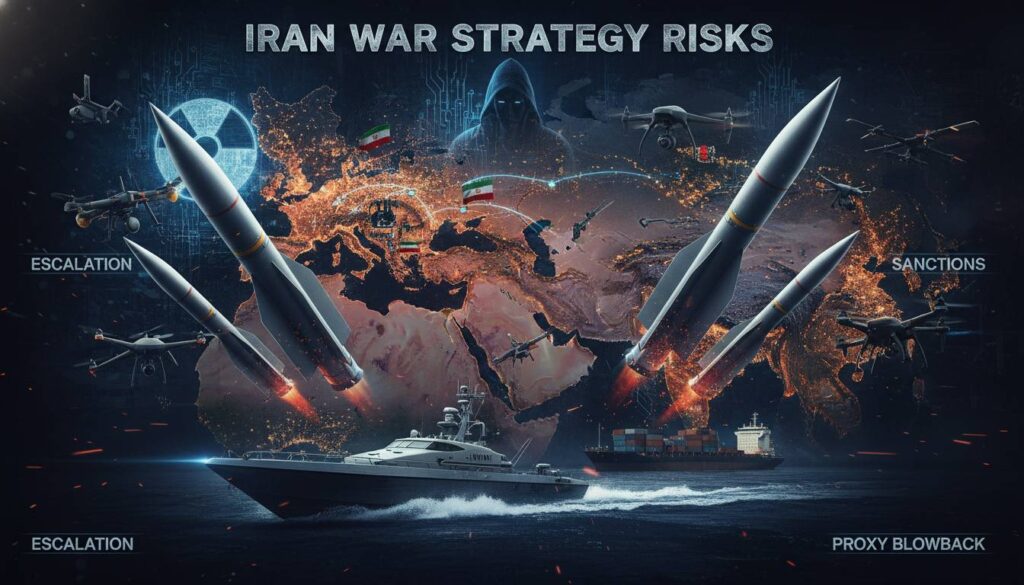
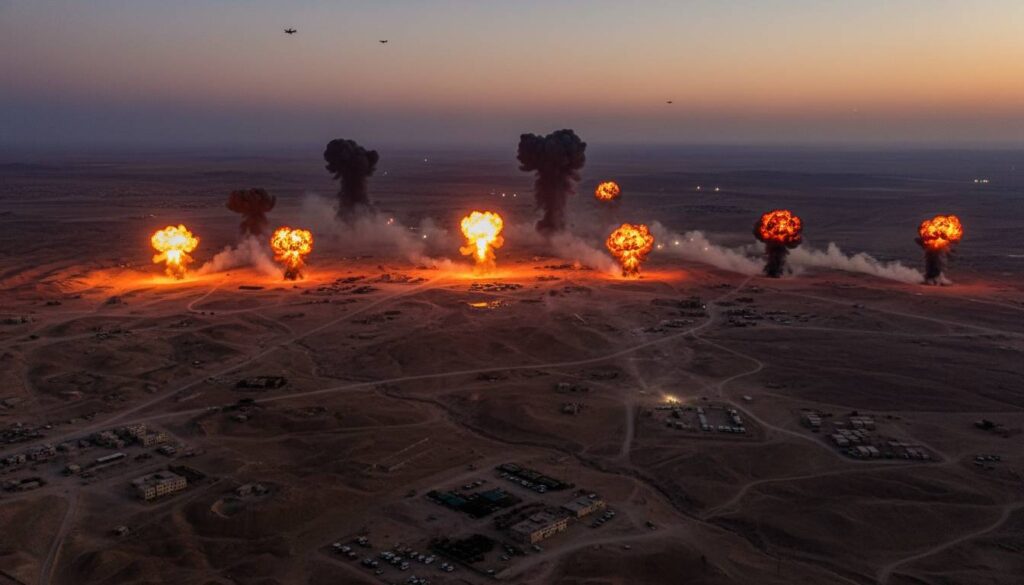
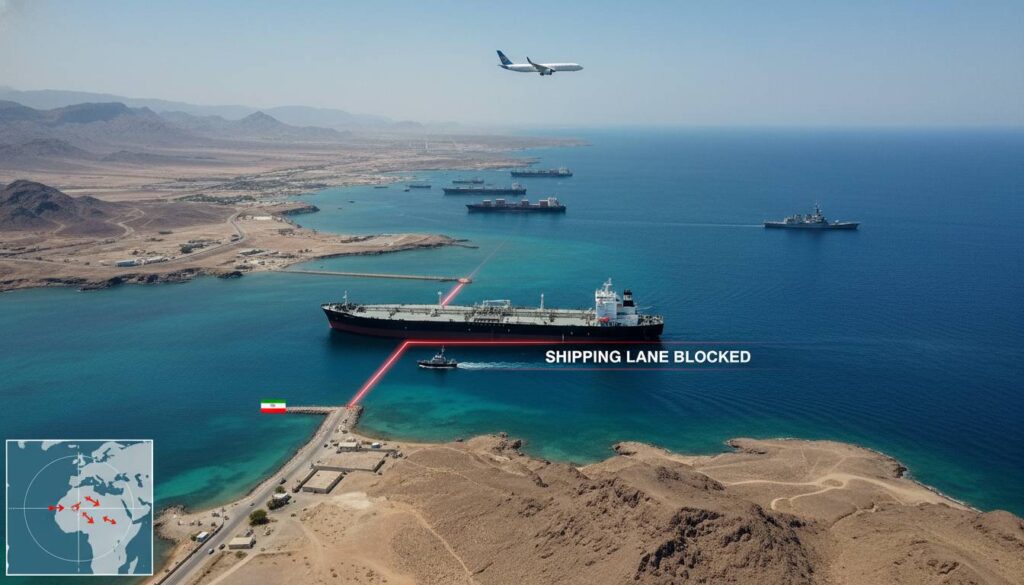
The market catalyst is straightforward: the Iran war disrupted oil production, refining, and shipping routes across the Middle East, sending crude sharply higher. AP reported Brent crude at just over $111 a barrel on March 22, after earlier reports showed prices had crossed $100 on March 8 and briefly reached $119.50 on March 9. By March 18, AP said Brent was up close to 50% since the start of the war.
For the Philippines, the significance is less about physical shortage in the immediate term and more about price transmission. Officials have repeatedly said domestic inventories remain adequate, but pump prices and transport costs can still rise quickly because imported crude and refined products are priced off global benchmarks. That is why the government’s first line of defense has been demand restraint and staggered price management discussions with oil companies rather than rationing.
There is also a peer comparison. Other Asian economies have taken similar steps to conserve energy as the war hit supply chains, according to AP, underscoring that Manila’s response is part of a wider regional pattern rather than an isolated domestic policy shift.
📊
Global relief measures have not erased the shock.
The IEA said on March 11 that member countries would make 400 million barrels available from emergency reserves, the largest such action on record. Even so, Brent remained above $110 on March 22, showing that supply fears still dominated pricing.
How a 4-Day Workweek Became the First Policy Tool
The compressed workweek is the most visible part of the Philippine response because it directly reduces commuting fuel use, official travel, and office electricity demand. President Marcos announced on March 7 that some executive offices would shift to a four-day workweek starting March 9. Local governments in places including Roxas City, Bohol, Laguna, and Ipil then issued their own implementing orders.
DOE guidance adds operational detail. Agencies are being checked for thermostat settings, lighting efficiency, vehicle fuel-saving practices, and reporting compliance under the online government energy management system. That matters because it turns a political announcement into an auditable program with measurable targets.
The broader implication is that the Philippines is trying to buy time. With a 50- to 60-day oil buffer, the country has some protection against immediate supply interruption, but not against a prolonged period of elevated crude prices. If Brent stays near or above current levels, the pressure shifts from inventories to inflation, transport fares, and fiscal support measures.
Frequently Asked Questions
Did the Philippines declare a full national power emergency?
No verified government source reviewed here describes a nationwide power-rationing order. The confirmed action is Memorandum Circular No. 114, issued March 6, 2026, which mandates strict energy conservation protocols and supports compressed work arrangements across government.
Why is the Iran war affecting the Philippines so quickly?
The Philippines is a net oil importer, so global crude spikes feed into domestic fuel costs even when local inventories are adequate. AP reported Brent above $111 on March 22, while Philippine officials said the war was already affecting fuel prices and the national economy in early March.
How much oil does the Philippines have in reserve?
Finance officials and President Marcos said on March 3, 2026 that the country had an oil buffer equivalent to about 50 to 60 days of national demand. That helps cushion short-term disruption, but it does not shield consumers from higher world prices.
What specific measures are agencies required to follow?
Government offices are being directed to reduce electricity and fuel use, prioritize virtual meetings, limit travel, manage air-conditioning and lighting more tightly, and in some cases adopt a four-day on-site workweek. DOE said on March 12 the target is a 10% to 20% reduction.
Has the global market response stabilized oil prices?
Not fully. The IEA announced a 400 million-barrel emergency release on March 11, the largest on record, but AP still reported Brent at just over $111 a barrel on March 22. That suggests the market continues to price in disruption risk tied to the war and shipping routes.
Disclaimer: This article is for informational purposes only. Information may have changed since publication. Always verify information independently and consult qualified professionals for specific advice.