



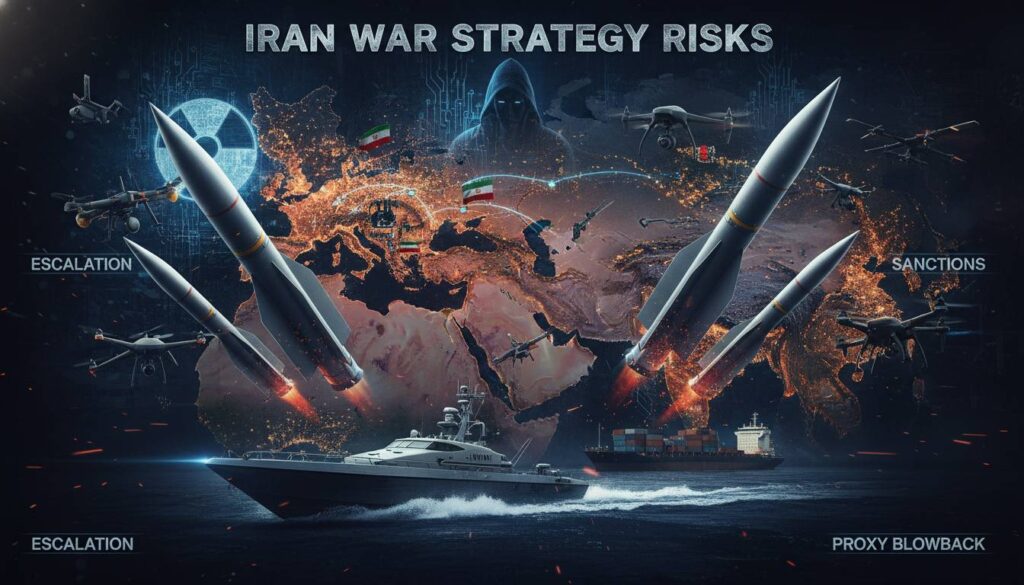
Guns in the Streets: US, Israel Escalate Attacks Across Iran

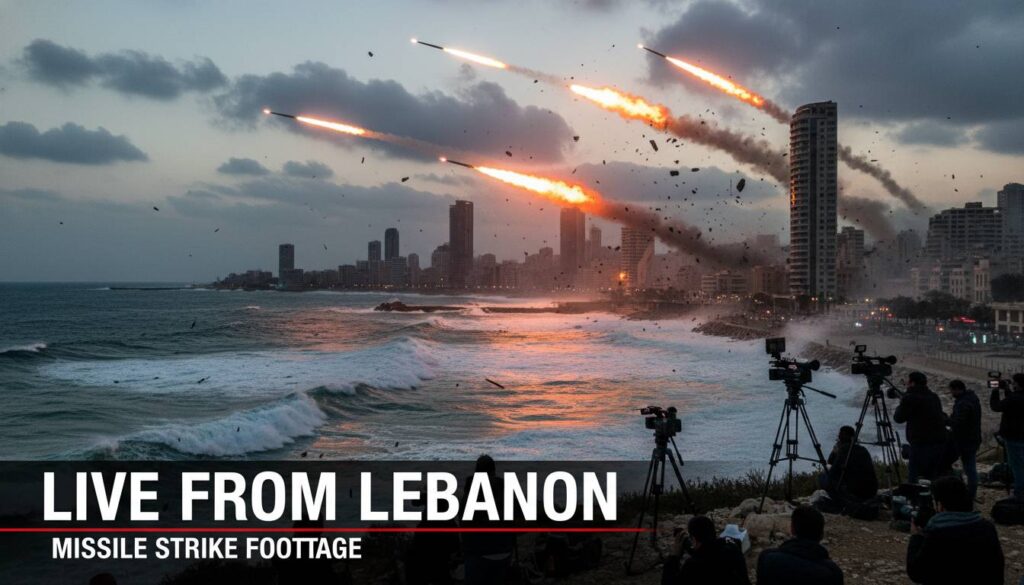
Street-level security crackdowns, expanding airstrikes and a widening regional exchange have pushed Iran deeper into crisis one month after the opening US-Israeli assault on February 28, 2026. By Friday, March 27, AP reported that Israel had warned attacks would expand, while Iran continued firing drones and missiles at Israel, Gulf states and US bases, underscoring how the conflict has shifted from a short strike campaign into a sustained war with domestic and regional spillover.
Armed men on city streets, emergency alerts, damaged infrastructure and repeated missile exchanges now define daily life across parts of Iran and the wider region. The core fact pattern is clear from multiple published reports: the war began with a joint US-Israeli attack on Iran on February 28, 2026, and by March 27 had entered its second month with no ceasefire in place. AP described Iran as increasingly relying on insurgent-style tactics, while Washington and Israel continued military pressure tied in part to maritime security and the Strait of Hormuz.
🔴
The conflict has crossed the one-month mark.
AP reported on March 27, 2026 that Iran had been firing drone barrages at Israel, Gulf neighbors and US bases for more than a month after the initial US-Israeli attack, showing the war is no longer a short-duration exchange.
Conflict Snapshot as of March 27, 2026
| Metric | Reported figure or status | Source timestamp |
|---|---|---|
| War start | February 28, 2026 joint US-Israeli attack | AP/Washington Post reports published March 1, 2026 |
| Conflict duration | More than one month | AP, March 27, 2026 |
| Iranian tactic shift | Insurgent-style warfare | AP, March 27, 2026 |
| Current trajectory | Israel says attacks will expand | AP, March 27, 2026 |
| Regional spillover | Attacks on Israel, Gulf states and US bases | AP, March 27, 2026 |
Source: Associated Press and related reporting | accessed March 27, 2026 UTC
March 27 Warnings Signal a Wider Second-Phase Campaign
Friday’s developments point to escalation rather than de-escalation. AP reported that Israel warned it would expand attacks on Iran, even as Tehran kept launching missiles toward Israel and Gulf Arab states. That matters because it places the conflict in a new phase: not only continued retaliation, but declared intensification after a month of attrition.
The immediate military and political backdrop is broader than airstrikes alone. AP also reported that President Donald Trump extended a deadline tied to reopening the Strait of Hormuz until April 6, 2026, saying Iran had requested more time and that talks were going “very well,” despite Iran publicly denying negotiations on a 15-point US proposal. That combination of active combat and parallel diplomacy suggests a dual-track strategy in which military pressure and shipping access remain central.
Historical context is important here. Reports from early March described the opening assault as a surprise daylight operation enabled by close US-Israeli coordination. By comparison, the March 27 environment is more diffuse: repeated launches, infrastructure pressure, maritime disruption and domestic insecurity inside Iran.
One-Month Timeline of Escalation
February 28, 2026: Joint US-Israeli strikes on Iranian targets begin the war, according to AP-linked reporting and other major outlets.
March 6-8, 2026: Reports describe fresh strikes on Tehran and other sites, with the conflict spreading across multiple fronts.
March 19, 2026: Reporting indicates a US aerial campaign tied to reopening the Strait of Hormuz.
March 27, 2026: Israel says attacks will escalate further as Iran continues drone and missile attacks across the region.
How Street-Level Insecurity Inside Iran Became Part of the War
The phrase “guns in the streets” captures a visible domestic consequence of the conflict: militarization beyond formal battlefields. While frontline reporting varies by city and access is limited, the broader pattern is supported by the war’s evolution. AP’s March 27 analysis said Iran is fighting more like an insurgency than a conventional state opponent, using limited resources to impose costs. That kind of conflict typically blurs the line between military zones and civilian urban space.
Inside Iran, the pressure comes from several directions at once: direct strikes, leadership disruption, infrastructure risk and the need for internal security enforcement. Earlier reporting described strikes on oil facilities and other strategic assets, while later coverage pointed to attacks on nuclear-linked and energy-related sites. Separately, AP reported criticism from the United Nations and human rights groups after a deadly missile strike on an elementary school that neither the United States nor Israel accepted responsibility for.
That matters for US readers because it shows the conflict is no longer defined only by military communiqués. It now includes humanitarian fallout, urban fear and the possibility that armed security presence inside Iran will remain elevated even if the pace of airstrikes changes. The conflict’s domestic footprint is becoming one of its defining features.
⚠️
Humanitarian risks are rising alongside military escalation.
AP reported on March 27 that the United Nations and human rights groups criticized a deadly strike on an elementary school in Iran, highlighting the civilian cost as the war enters its second month.
April 6 and the Strait of Hormuz Are Now Central to the Next Moves
The next major date is April 6, 2026. AP reported that Trump extended a deadline for reopening the Strait of Hormuz until that date, linking the maritime chokepoint directly to the war’s next phase. This is significant because Hormuz is not a side issue; it is a core lever in the conflict’s economic and military logic.
Additional reporting indicates the United States began an aerial campaign on March 19 aimed at reopening the strait, including the use of A-10 aircraft and Apache helicopters against Iranian threats to shipping. Israel has also framed some of its later actions, including the reported killing of a top Iranian naval commander on March 26, as supportive of that maritime objective. Those details, while drawn from compiled reporting, align with the broader AP account that shipping access and coercive pressure are now tightly linked.
In practical terms, that creates three immediate markers for observers: whether attacks on Iranian infrastructure intensify before April 6, whether Iran sustains or reduces attacks on regional targets, and whether any verified ceasefire framework emerges. As of March 27, AP reported no settlement, only competing proposals and continued strikes.
Key Dates and Pressure Points
| Date | Event | Why it matters |
|---|---|---|
| Feb. 28, 2026 | Joint US-Israeli attack on Iran begins war | Start of current conflict cycle |
| Mar. 19, 2026 | US campaign tied to Hormuz reported | Maritime access becomes central objective |
| Mar. 27, 2026 | Israel warns attacks will expand | Signals second-phase escalation |
| Apr. 6, 2026 | Hormuz deadline extended to this date | Next major diplomatic and military marker |
Source: AP and compiled reporting | accessed March 27, 2026 UTC
What the One-Month Pattern Says About the War’s Direction
One month in, the pattern is not of resolution but adaptation. AP’s March 27 analysis said Iran is using insurgent tactics and trying to impose maximum pain with constrained resources. That is a notable shift from the opening days, when the focus was on shock strikes and immediate retaliation.
By comparison with the first week of March, when reports centered on heavy bombardment of Tehran and rapid regional spillover, the late-March picture is more fragmented and potentially more durable. The war now includes maritime coercion, attacks on energy-linked assets, pressure on Gulf states and a persistent risk to civilians. That mix makes the conflict harder to contain geographically and politically.
For US audiences, the most important verified takeaway is simple: this is an active, expanding conflict with direct US military involvement, no confirmed ceasefire, and a near-term deadline around April 6 that could shape the next round of escalation or negotiation.
Frequently Asked Questions
When did the US-Israel war with Iran begin?
Major outlet reporting traces the start of the current war to February 28, 2026, when joint US-Israeli strikes hit Iranian targets. That date is the baseline for references on March 27 describing the conflict as more than one month old.
Why is the phrase “guns in the streets” being used?
It reflects the visible militarization and internal security pressure associated with a month-long war. AP’s March 27 analysis described Iran as shifting toward insurgent-style tactics, a pattern that often expands armed presence beyond formal military sites into urban areas.
What is happening with the Strait of Hormuz?
AP reported on March 27, 2026 that President Donald Trump extended a deadline for reopening the Strait of Hormuz until April 6. The strait has become a central pressure point linking military operations, shipping security and diplomacy.
Has either side agreed to a ceasefire?
As of March 27, 2026, AP reported continued attacks and competing proposals rather than a confirmed ceasefire. Two days earlier, AP said Iran had dismissed a US ceasefire plan and issued a counterproposal.
Are civilians being affected inside Iran?
Yes. AP reported on March 27 that Iran’s national soccer team honored victims of a deadly missile strike on an elementary school. The report said the United Nations and human rights groups had criticized the attack, underscoring the civilian toll.
Disclaimer: This article is for informational purposes only. Information may have changed since publication. Always verify information independently and consult qualified professionals for specific advice.