




Aid Flotilla Vessel Reaches Cuba as US-Fueled Energy Crisis Deepens

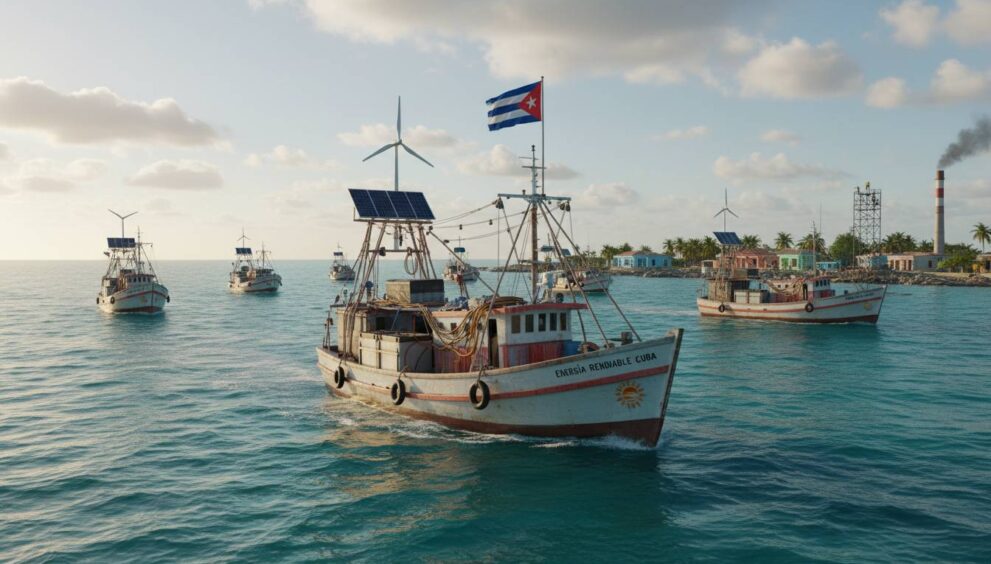
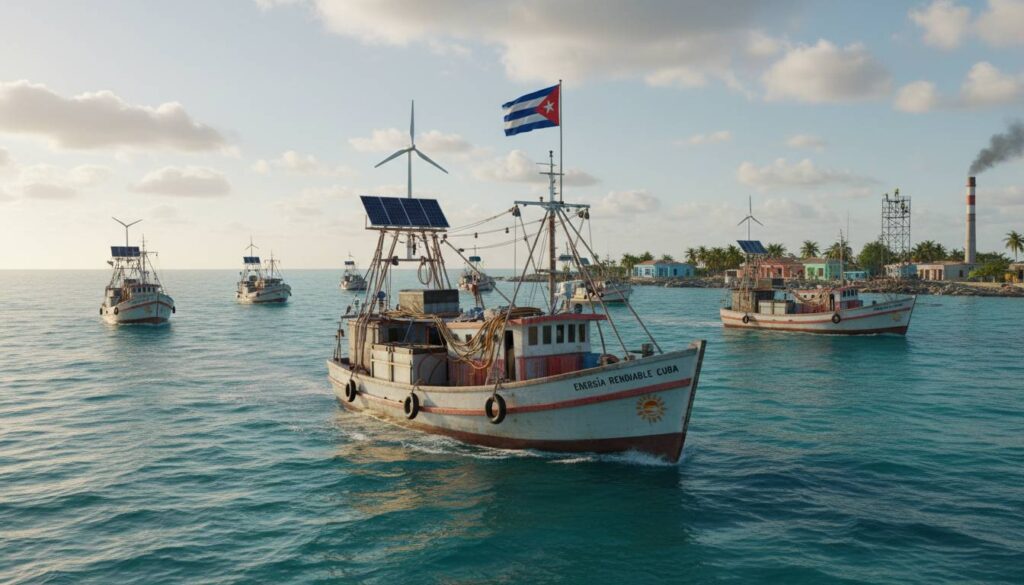
A humanitarian vessel carrying solar panels, bicycles, food and medicine docked in Havana on March 24, 2026, as Cuba faced worsening blackouts and fuel shortages after a tighter U.S. energy squeeze. The arrival of the first of three ships adds symbolic relief, but the scale of Cuba’s electricity and fuel deficit remains far larger, according to reporting from AP and El País on Tuesday.
Cuba’s latest aid convoy lands at a moment of acute strain. The island’s power grid collapsed again on Saturday, March 21, marking the third nationwide blackout in March, while officials said the country has gone three months without imported supplies of diesel, fuel oil, gasoline, jet fuel and liquefied petroleum gas. Cuba produces only about 40% of the fuel it needs, leaving the economy highly exposed when external shipments slow or stop.
Key Verified Facts on the Cuba Aid Arrival
| Metric | Verified figure | Context |
|---|---|---|
| Ships expected | 3 | First vessel arrived in Havana on March 24 |
| People aboard first ship | About 30 | Activists and organizers disembarked in Havana |
| Convoy participation | 650+ people from 33 countries | Part of the “Our America Convoy to Cuba” |
| Promised aid volume | 20 tons | Distribution plan not yet detailed publicly |
| Domestic fuel coverage | About 40% | Cuba’s own production versus national need |
Source: AP, El País | March 24, 2026 UTC
March 24 Arrival Adds 20 Tons as Blackouts Hit for a Third Time
The first vessel reached Havana on Tuesday after departing Puerto Progreso in Mexico the previous week, according to AP. Organizers and participants described the mission as part of the “Our America Convoy to Cuba,” a broader solidarity campaign that had already brought hundreds of international delegates to the island over the weekend. AP reported that the ship carried solar panels, bicycles, food and medicine, while El País said the organization has promised 20 tons of aid in total across the convoy.
The timing matters. Cuba’s electric system suffered a total collapse on March 21 after an unexpected failure at the Nuevitas thermoelectric plant in Camagüey province, according to the Ministry of Energy and Mines as cited by AP. That outage was the second in the past week and the third nationwide blackout in March. AP also reported that daily outages of up to 12 hours have become common, showing that the crisis is not limited to isolated plant failures but reflects a broader generation and fuel problem.
🔴
The aid shipment is materially small against the scale of the energy shortfall.
AP reported the convoy’s first ship carried humanitarian supplies, but officials also said Cuba has gone three months without imported fuel products and produces only about 40% of what it needs. March 24, 2026.
That gap explains why even visible aid deliveries do not resolve the underlying power emergency. Food, medicine and solar equipment can ease pressure in hospitals, schools or local communities, but they do not replace the large, steady fuel imports needed to run Cuba’s aging thermoelectric fleet. The immediate effect is humanitarian and political rather than system-wide restoration. That is an inference based on the scale mismatch between the convoy cargo and the country’s fuel deficit.
Why the U.S. Energy Squeeze Intensified Cuba’s 40% Fuel Gap
AP reported that the Trump administration tightened an energy embargo in late January 2026, aiming to pressure Cuba’s political system. The same report said the move compounded five years of economic deterioration linked to the pandemic shock and earlier sanctions. In a separate AP report published March 19, shipping data analyzed by maritime intelligence firm Windward showed foreign-originating tanker arrivals to Cuba had effectively dried up in March, with port calls dropping from an average of around 50 per month in 2025 to just 11 in March 2026, all from domestic ports.
That shipping collapse is one of the clearest hard-data indicators of why the electricity crisis has worsened so quickly. Cuba relies heavily on oil-fired generation, and AP reported that the island is among the world’s most oil-dependent electricity systems. When imported diesel, fuel oil and LPG fail to arrive, the result is not only less transport fuel but also less generation capacity, more instability in the grid, and longer outages for households and hospitals.
Energy Crisis Timeline
Late January 2026: AP reported the Trump administration tightened an energy embargo targeting Cuba’s oil access.
March 21, 2026: Cuba’s grid collapsed nationwide after a failure at the Nuevitas plant, the third island-wide blackout in March.
March 24, 2026: The first of three aid ships arrived in Havana carrying solar panels, food, medicine and other supplies.
Officials have framed the shortage in stark terms. AP reported that Deputy Energy and Mines Minister Argelio Abad Vigo said Cuba had gone three months without receiving diesel, fuel oil, gasoline, jet fuel and liquefied petroleum gas. That statement is significant because it covers both electricity generation and the wider economy, including transport and aviation.
33-Country Convoy Shows Solidarity, but Distribution Questions Remain
The convoy’s political symbolism is substantial. AP said more than 650 participants from 33 countries arrived on the island last weekend and were received by President Miguel Díaz-Canel. El País reported that around 40 activists, influencers and social movement members from more than 30 countries arrived with the vessel on Tuesday, and that two more sailboats were expected later in the day after weather and engine-heating problems delayed the original schedule.
Yet the logistics are still unclear. El País reported that the Cuban government had not publicly explained how the promised 20 tons of aid would be distributed across the island. That matters because fuel scarcity itself complicates internal transport. Moving medicine, solar panels or food from Havana to distant provinces requires trucks, storage and local coordination at a time when Cuba is also dealing with transportation shortages and reduced working hours, according to AP.
Aid Convoy vs. Energy Crisis Scale
| Category | Aid convoy | National crisis indicator |
|---|---|---|
| Humanitarian cargo | 20 tons promised | Three months without key imported fuels |
| International participation | 33 countries | 11 million residents affected by shortages |
| Immediate support | Solar panels, food, medicine | Third nationwide blackout in March |
| Transport route | Mexico to Havana | Foreign tanker arrivals sharply reduced in March |
Source: AP, El País | March 19-24, 2026
Other aid channels are also opening. AP reported Tuesday that Caricom would send powdered milk, medical supplies and water tanks to Cuba via Mexico, which agreed to transport the goods by ship at no cost. That suggests the flotilla is part of a broader emergency response rather than a one-off event.
What 11 Port Calls in March Signal for Cuba’s Next Weeks
The near-term issue is whether fuel flows resume before another major grid failure. AP’s March 19 reporting, citing Windward shipping data, showed only 11 port calls in March, down from an average of about 50 a month in 2025. If that pattern persists into late March and April, Cuba’s electricity system will remain vulnerable even if emergency repairs continue. That is an inference supported by the country’s dependence on imported fuel and the recurrence of blackouts this month.
For U.S. readers, the core development is not only the arrival of a solidarity vessel but the convergence of three measurable trends: fewer foreign tanker arrivals, repeated nationwide blackouts, and a growing international aid response. Together, those data points show a crisis that has moved beyond routine shortages into a broader humanitarian and infrastructure emergency.
Frequently Asked Questions
What arrived in Cuba on March 24, 2026?
The first of three aid ships arrived in Havana carrying solar panels, bicycles, food and medicine, according to AP. About 30 people were aboard that vessel, and the broader convoy involved more than 650 participants from 33 countries.
How severe is Cuba’s electricity crisis right now?
AP reported that Cuba’s power grid collapsed on March 21 for the third nationwide blackout in March. The same coverage said daily outages of up to 12 hours have become common because of fuel shortages and aging infrastructure.
Why is fuel so scarce in Cuba?
According to AP, Cuban officials said the country has gone three months without imported diesel, fuel oil, gasoline, jet fuel and liquefied petroleum gas. AP also reported that Cuba produces only about 40% of the fuel it needs, leaving it dependent on external shipments.
How much aid is the convoy bringing?
El País reported that the organization behind the convoy has promised 20 tons of aid. The Cuban government had not publicly detailed the nationwide distribution plan as of March 24, 2026.
Is this the only international aid headed to Cuba?
No. AP reported that Caricom said it would send powdered milk, medical supplies and water tanks to Cuba via Mexico. AP also said countries including Mexico, China, Brazil and Italy, along with U.S. non-governmental groups, have sent aid.
Disclaimer: This article is for informational purposes only. Information may have changed since publication. Always verify information independently and consult qualified professionals for specific advice.