





Trump Pausing Iran Power Plant Strike Plan Sparks Global Tension


President Donald Trump is reported to have paused, for 10 days, a plan tied to possible U.S. military action against Iranian power infrastructure, a claim circulating in media and political commentary as of March 26, 2026. Publicly available U.S. government material confirms an aggressive Iran policy and recent military framing, but no official document reviewed for this article independently confirms a specific 10-day pause order targeting Iranian power plants. That gap between rhetoric, reported planning, and verified documentation is now central to the story.
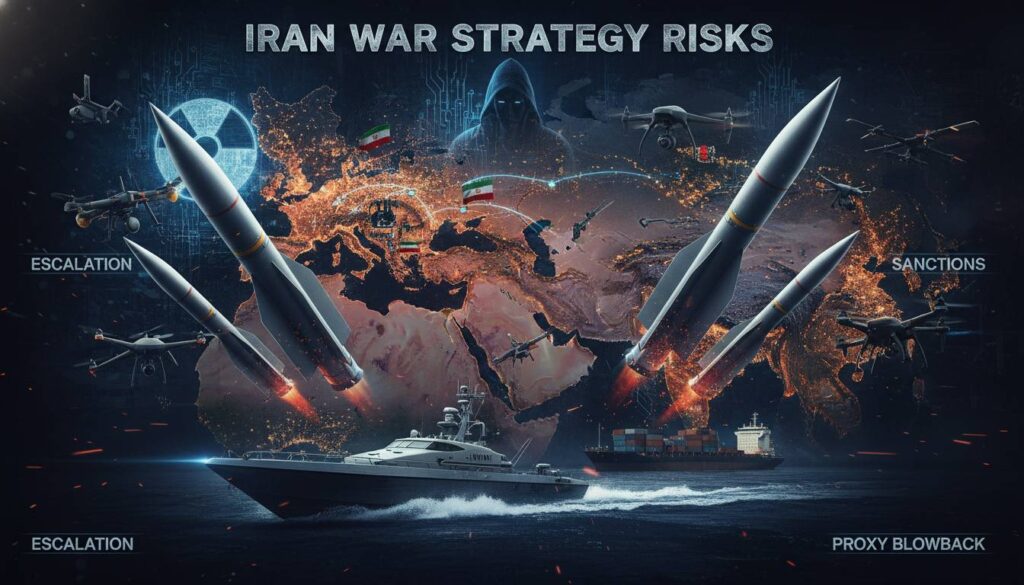
Washington’s Iran posture has hardened through 2025 and 2026. The White House said on February 4, 2025, that Trump signed a National Security Presidential Memorandum restoring “maximum pressure” on Iran, with the stated goal of denying Tehran all paths to a nuclear weapon and countering its regional influence. In separate White House material published in March 2026, the administration described “Operation Epic Fury” as a campaign to destroy Iranian missile capacity, weaken the regime’s military infrastructure, and prevent Iran from obtaining a nuclear weapon.
⚠️
No primary-source confirmation of a 10-day pause order was found in reviewed U.S. government releases.
White House and Defense Department materials reviewed through March 26, 2026 describe pressure, strikes, and military objectives toward Iran, but do not publicly document a specific pause in a plan to destroy Iranian power plants. Sources reviewed: White House and Defense Department pages, accessed March 26, 2026.
March 2026 White House language shows escalation, not de-escalation
The strongest verified evidence points to escalation in U.S. messaging, not a documented pause. In a White House article published in March 2026, the administration said Trump had launched “Operation Epic Fury” and framed the campaign in maximal terms, including destroying missile sites and crushing the Iranian regime’s military threat. That language matters because it establishes the administration’s public posture at the same moment the “10-day pause” claim is drawing attention.
Separately, a February 2026 White House fact sheet said Trump reaffirmed the national emergency with respect to Iran and created a process to impose tariffs on countries acquiring goods or services from Iran. That measure is economic rather than kinetic, but it fits the same pattern: sustained pressure across military, diplomatic, and trade channels.
Verified U.S. Iran Policy Markers
| Date | Document | Verified Detail | Source |
|---|---|---|---|
| Feb. 4, 2025 | NSPM / Maximum Pressure | Trump restores “maximum pressure” on Iran | White House |
| Feb. 2026 | Iran emergency fact sheet | National emergency reaffirmed; tariff process outlined | White House |
| March 2026 | Operation Epic Fury article | Administration describes campaign against Iranian military capacity | White House |
| June 2025 | Pentagon briefing release | Defense officials describe limited, precise strikes on Iranian nuclear infrastructure | Defense Department |
Source: White House and U.S. Department of Defense materials reviewed March 26, 2026.
The Defense Department’s own public record also adds context. A Pentagon release tied to June 2025 described “limited, precise strikes” on Iranian nuclear infrastructure, showing that military action against Iranian strategic assets is not hypothetical in this policy cycle. AP reporting from the same period said Trump announced U.S. strikes on three Iranian sites, directly joining Israel’s campaign against Iran’s nuclear program.
Why a 10-day claim matters if the target is Iran’s power grid
If the reported pause concerns power plants rather than missile or nuclear facilities, the distinction is significant. Electrical infrastructure is civilian-critical. Strikes on power generation can affect hospitals, water systems, communications, and industrial output. That makes any alleged plan to hit power plants more politically sensitive than attacks framed as limited strikes on military or nuclear targets.
No reviewed White House or Pentagon release uses the phrase “power plants” in describing current U.S. military objectives toward Iran. That absence does not prove such planning does not exist, but it does mean the claim remains unverified in primary public records as of March 26, 2026.
Iran Escalation Timeline
February 4, 2025: Trump signs a memorandum restoring maximum pressure on Iran, according to the White House.
June 2025: AP reports Trump says the U.S. struck three Iranian sites, joining Israel’s air campaign.
June 2025: AP reports Trump later says Iran must allow inspections to verify it does not restart its nuclear program.
February 2026: White House says Trump reaffirms the national emergency regarding Iran.
March 2026: White House publishes material describing “Operation Epic Fury” against Iran.
What 2025 precedent says about Trump’s strike decision-making
There is precedent for Trump approving some actions while rejecting others. AP reported in June 2025 that Trump rejected an Israeli plan to kill Iran’s Supreme Leader Ayatollah Ali Khamenei, according to a U.S. official familiar with the matter. That episode is relevant because it shows a pattern of selective restraint inside a broader escalation cycle.
AP also reported that after U.S. strikes on Iranian nuclear sites, Trump pushed for inspections to verify that Iran would not restart its nuclear program. In other words, the administration’s public line has combined coercion with attempts to shape post-strike conditions. A reported 10-day pause, if confirmed later, would fit that pattern of tactical delay rather than strategic reversal.
ℹ️
The strongest verified comparison is not “peace” versus “war,” but selective restraint inside an active pressure campaign.
AP reporting in June 2025 said Trump rejected one Israeli assassination plan even as the U.S. later struck Iranian sites.
What is verified now, and what remains unconfirmed on March 26, 2026
Verified: Trump’s administration has publicly embraced maximum pressure on Iran since February 2025. Verified: U.S. military action against Iranian strategic targets occurred in June 2025, according to AP and Pentagon materials. Verified: White House messaging in March 2026 remains confrontational and expansive.
Unconfirmed in primary public documents reviewed for this article: a specific Trump order pausing for 10 days a plan to destroy Iranian power plants. Also unconfirmed: the operational scope, timing, military branch involved, legal rationale, and whether the alleged target set refers to civilian grid assets, dual-use facilities, or power supply linked to military infrastructure.
Claim Status Check
| Claim | Status as of March 26, 2026 | Evidence Reviewed |
|---|---|---|
| Trump restored maximum pressure on Iran | Verified | White House fact sheet, Feb. 4, 2025 |
| U.S. struck Iranian strategic sites in 2025 | Verified | AP report and Pentagon release, June 2025 |
| Trump paused a power-plant strike plan for 10 days | Not independently verified | No primary-source confirmation found in reviewed releases |
| March 2026 rhetoric signals continued pressure | Verified | White House Operation Epic Fury materials |
Source: White House, AP, and Defense Department materials reviewed March 26, 2026.
For markets, diplomacy, and regional security, that distinction is crucial. A verified pause could signal back-channel negotiation, alliance friction, operational recalibration, or concern over civilian fallout. Without documentary confirmation, the safer conclusion is narrower: the administration’s public record supports continued pressure on Iran, while the specific “10-day pause” claim remains a report in need of direct sourcing.
Frequently Asked Questions
Did Trump officially announce a 10-day pause in strikes on Iranian power plants?
No public White House or Pentagon document reviewed through March 26, 2026 confirms such an announcement. Official materials verify a hardline Iran policy and military action history, but not this specific pause order.
What is the strongest verified U.S. policy toward Iran right now?
The clearest documented policy is “maximum pressure.” The White House said on February 4, 2025 that Trump restored that framework to deny Iran paths to a nuclear weapon and counter its regional influence.
Has the U.S. already struck Iranian targets under Trump in this cycle?
Yes. AP reported in June 2025 that Trump said the U.S. struck three Iranian sites, and the Pentagon publicly described limited, precise strikes on Iranian nuclear infrastructure.
Why would a strike on power plants be treated differently from a strike on missile or nuclear sites?
Power plants are civilian-critical infrastructure. Damage can disrupt hospitals, water systems, communications, and industry. That makes such a target set more sensitive politically and legally than operations framed around military or nuclear facilities.
Could a pause still fit Trump’s broader Iran strategy?
Possibly, as an inference rather than a verified fact. AP’s June 2025 reporting showed Trump rejecting at least one proposed escalation while still authorizing other forceful actions, suggesting selective restraint can coexist with broader pressure.
Conclusion
The verified record does not support a definitive claim that Trump has publicly paused, for 10 days, a plan to destroy Iranian power plants. What it does support is a broader pattern: maximum pressure, prior U.S. strikes on Iranian strategic targets, and continued White House messaging built around coercion and deterrence. Until a primary document, on-record official statement, or corroborated reporting with direct attribution emerges, the “10-day pause” should be treated as an unconfirmed report rather than an established fact. For readers tracking U.S.-Iran escalation, that difference is not semantic. It is the difference between documented policy and headline speculation.
Disclaimer: This article is for informational purposes only. Information may have changed since publication. Always verify information independently and consult qualified professionals for specific advice.