



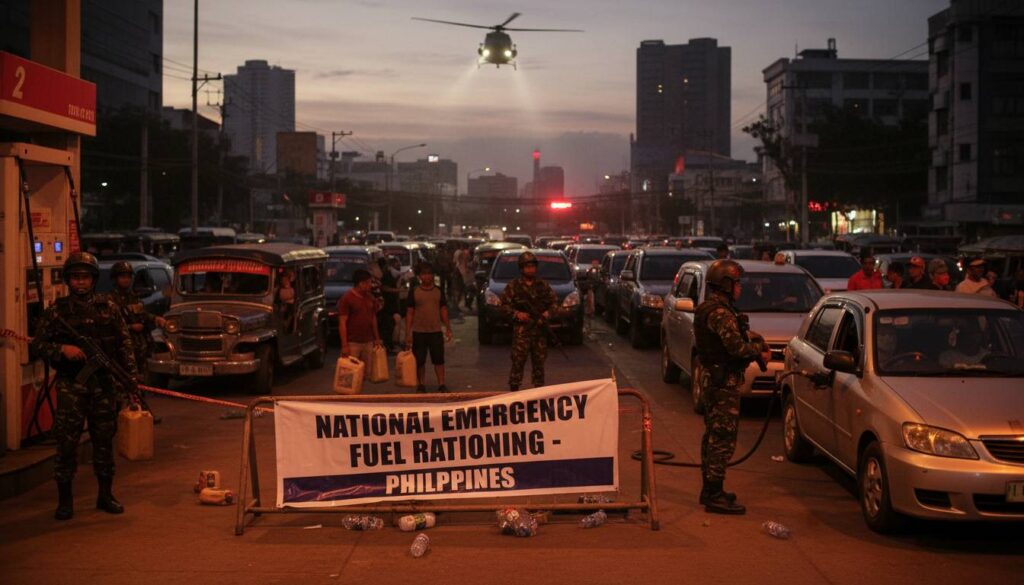
Philippines Declares National Emergency as Fuel Supplies Dwindle: What It Means

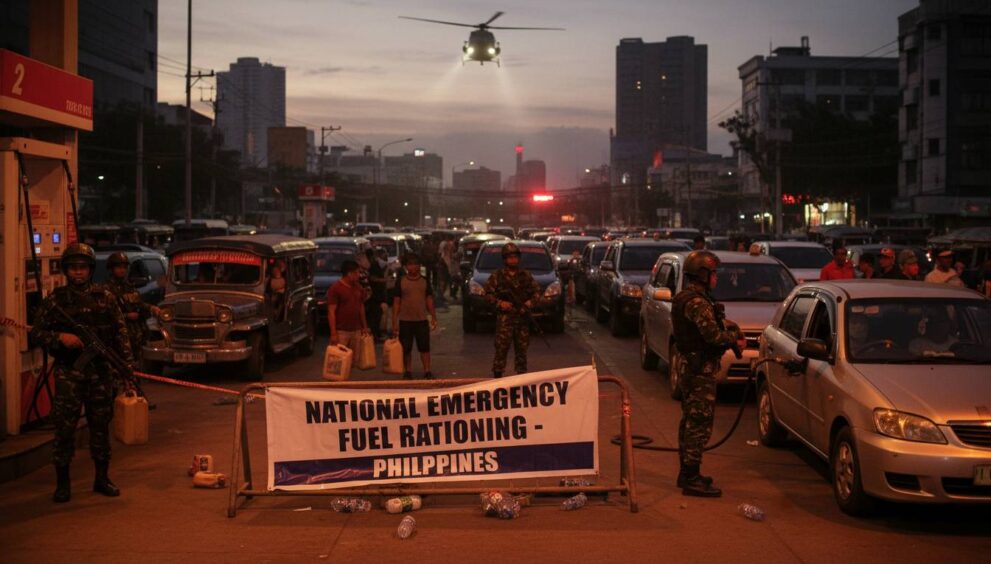
The Philippines has moved into emergency mode over energy security after weeks of rising concern tied to Middle East conflict, higher oil prices, and tighter shipping risk. For readers tracking the economic fallout, the key questions are straightforward: what exactly Manila has declared, how much fuel the country says it still has, and what this means for inflation, transport, and trade in the weeks ahead.
President Ferdinand Marcos Jr. said on March 24, 2026, that the Philippines was placing the country under a state of national energy emergency, according to event summaries and multiple Philippine media reports published in March. The move follows earlier government statements that national oil inventories remained adequate for roughly 60 days, even as officials warned that the bigger immediate threat was price shock rather than an outright physical shortage. The catalyst is the widening Middle East conflict, which has raised concern over supply routes and benchmark crude costs for a country that relies heavily on imported oil.
🔴
The core risk is price transmission before physical depletion.
Philippine officials said in early March 2026 that inventories were sufficient for about 60 days, while the country’s minimum inventory rule for suppliers is 15 days. Sources: Philippine Information Agency, GMA News, DOE rules; March 3-4, 2026.
Philippines Fuel Security Snapshot
| Metric | Latest reported figure | Context |
|---|---|---|
| Government-stated oil stock cover | About 60 days | Reported by President Marcos and DOE officials in early March 2026 |
| Minimum inventory requirement | 15 days | DOE downstream oil rule for suppliers |
| Crude import dependence on Middle East | Near-total / sole crude source in recent DOE reports | 2023 and 2024 DOE statistics |
| Top crude supplier | Saudi Arabia | About 50% share in recent DOE statistics |
Source: Philippine DOE statistics and circulars; PIA and GMA News reports; accessed March 25, 2026.
March 24 Emergency Order Puts Energy Security at the Center
The declaration matters because it formalizes what had already become visible across government in early March: conservation directives, contingency planning, and public messaging aimed at preventing panic buying. Before the March 24 step, the Office of the President had already issued Memorandum Circular No. 114 on March 6, 2026, directing government agencies to adopt energy-saving measures, including flexible work arrangements where appropriate. Provincial governments then began implementing four-day onsite schedules and fuel-saving rules for official vehicles.
That sequence shows the emergency declaration did not emerge from a single day of empty depots. It followed a staged response. First came emergency meetings with oil companies on March 3. Then came conservation orders on March 6. By March 24, the government had escalated to a national energy emergency framework as geopolitical risk persisted.
How the Philippines Reached an Energy Emergency
March 3, 2026: DOE convenes oil firms for an emergency meeting to assess supply and price risks tied to the Middle East conflict.
March 4, 2026: President Marcos says the Philippines has enough oil stockpile for nearly 60 days and studies tax and subsidy options.
March 6, 2026: Memorandum Circular No. 114 directs government agencies to adopt energy conservation measures.
March 24, 2026: A state of national energy emergency is reported as the government intensifies response to supply and price risks.
60 Days of Supply vs 15-Day Minimum Explains the Government Message
The most important number in the story is not zero. It is 60. Marcos said on March 3-4 that the country’s strategic oil stockpile could last nearly two months. Energy Secretary Sharon Garin separately said inventories were roughly triple the minimum inventory requirement. Under DOE rules, suppliers must maintain at least 15 days of supply. That means the government’s message has been consistent: inventories are above the legal floor, but vulnerability remains high because the Philippines imports almost all of its crude and cannot control global prices.
Historical DOE data supports that vulnerability. The department’s 2023 energy situationer says the Middle East remained the sole crude import market for the Philippines, with Saudi Arabia accounting for just over half of import volume, followed by the United Arab Emirates and Iraq. The 2024 situationer points in the same direction, with Saudi Arabia still the largest source. In practical terms, that concentration means any disruption in Gulf exports, tanker insurance, or shipping lanes can hit the Philippines quickly through replacement costs.
📊
Import concentration is the structural weakness.
The DOE’s recent statistics show the Middle East as the Philippines’ sole crude import market, with Saudi Arabia holding the largest share. That makes external shocks more important than domestic inventory headlines.
Why Middle East Conflict Triggered a Philippine Emergency Response
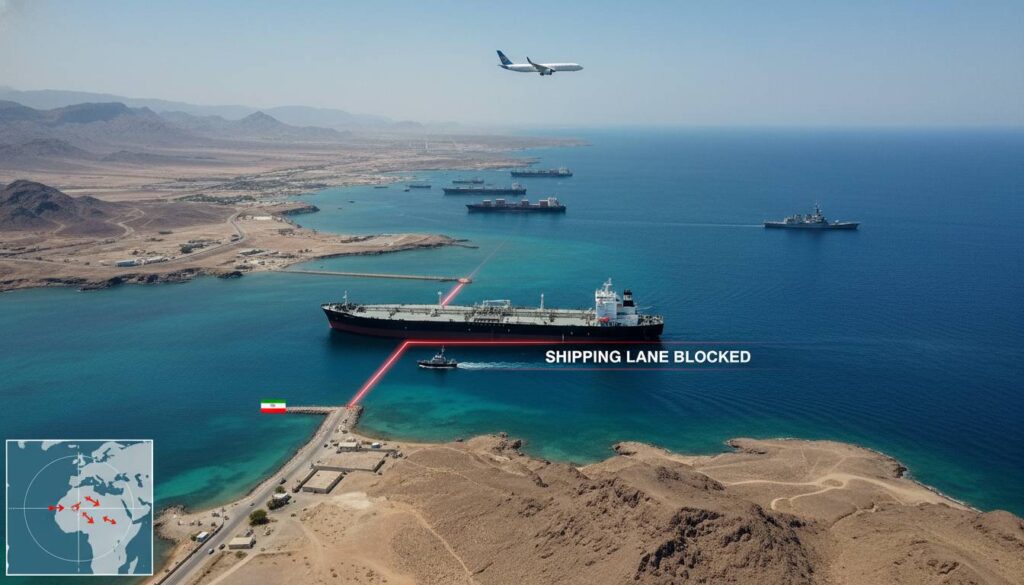
The trigger is external, not domestic refinery failure. Philippine officials have repeatedly tied the emergency posture to the widening Middle East war and the risk of disruption to energy infrastructure and shipping. International reporting in March described attacks affecting Gulf energy assets and broader concern around the Strait of Hormuz, one of the world’s most important oil transit chokepoints. For an import-dependent economy, even partial disruption can raise landed fuel costs before any local shortage appears.
That distinction matters for US readers. A national energy emergency in the Philippines does not necessarily mean gas stations nationwide are dry. It means the government sees enough risk to supply security and price stability that extraordinary conservation and policy measures are justified. In this case, the emergency is as much about shielding households, transport operators, and agriculture from a price spike as it is about preserving physical stock.
Transport, Inflation and Public Services Face the Fastest Impact
The first transmission channel is pump prices. Philippine media reports in early March said the DOE was preparing for the worst-case fuel scenario and studying emergency powers, excise tax relief, and targeted subsidies. Marcos also said support for transport, agriculture, and fisheries was under review. Those sectors are exposed first because diesel costs feed directly into fares, food logistics, and farm operations.
The second channel is inflation. The Guardian reported that Philippine inflation had reached a 13-month high of 2.4% in February 2026 before the full energy shock played out. If oil prices remain elevated, transport and food costs could add further pressure. The third channel is government operations. Energy-saving directives already pushed some offices toward compressed workweeks and stricter electricity settings, while emergency and frontline services were exempted.
What the Emergency Could Change First
| Area | Likely effect | Why it matters |
|---|---|---|
| Fuel retail prices | Higher pump prices | Imported oil costs pass through quickly |
| Public transport | Pressure for subsidies or fare support | Diesel is a major operating cost |
| Food and agriculture | Higher logistics and farm input costs | Fuel affects delivery and production chains |
| Government operations | Conservation measures and flexible schedules | Immediate demand reduction tool |
Source: Presidential statements, DOE briefings, Philippine media coverage; March 3-24, 2026.
What Happens Next Depends on Oil Flows, Not Just Local Policy
The next phase depends on whether global supply routes stabilize. If Gulf exports continue and shipping adjusts, the Philippines may avoid a physical shortage and focus instead on subsidies, tax relief, and conservation. If disruption deepens, the government may need broader emergency procurement and tighter demand management. Some reports in March said officials were exploring alternative sourcing and closer monitoring at ports, which suggests Manila is preparing for both scenarios.
For now, the verified picture is narrower than some headlines imply. The Philippines has declared an energy emergency posture after weeks of escalating risk, but officials have also said inventories remain above minimum requirements. The emergency is real. The immediate shortage narrative is less clear-cut than the price shock narrative.
Frequently Asked Questions
Did the Philippines say it has run out of fuel?
No. Government statements in early March 2026 said the country had enough oil inventory for about 60 days, and DOE officials said stocks were roughly triple the 15-day minimum inventory rule. The emergency response is tied to supply risk and rising prices, not confirmed nationwide depletion.
What exactly was declared?
Reports published on and after March 24, 2026 describe President Ferdinand Marcos Jr. as placing the Philippines under a state of national energy emergency. That followed earlier conservation orders, emergency meetings with oil firms, and contingency planning across agencies and local governments.
Why is the Philippines so exposed to an oil shock?
DOE statistics show the Philippines relies heavily on imported crude, with the Middle East serving as the sole crude import market in recent official reports. Saudi Arabia has been the largest supplier, followed by the UAE and Iraq, making Gulf disruption especially important for local fuel costs.
Will this affect inflation and transport fares?
It can. Higher imported fuel costs typically feed into diesel and gasoline prices first, then into transport, food logistics, and broader inflation. Philippine officials have already discussed targeted subsidies and possible tax relief to cushion the impact on transport and agriculture.
What should readers watch next?
The most important indicators are Gulf export continuity, shipping conditions, Philippine pump price adjustments, and any formal executive order text or implementing rules tied to the March 24 emergency declaration. Those details will determine whether the response stays focused on conservation and subsidies or expands further.
Conclusion
The Philippines’ emergency declaration is best understood as a defensive move against an external oil shock. Official data and statements indicate the country still has fuel stocks above legal minimums, yet its dependence on Middle East crude leaves it highly exposed to conflict-driven price spikes and shipping disruption. That is why Manila has shifted from reassurance to formal emergency action: not because the tanks are empty, but because the margin for error has narrowed.
Disclaimer: This article is for informational purposes only. Information may have changed since publication. Always verify information independently and consult qualified professionals for specific advice.